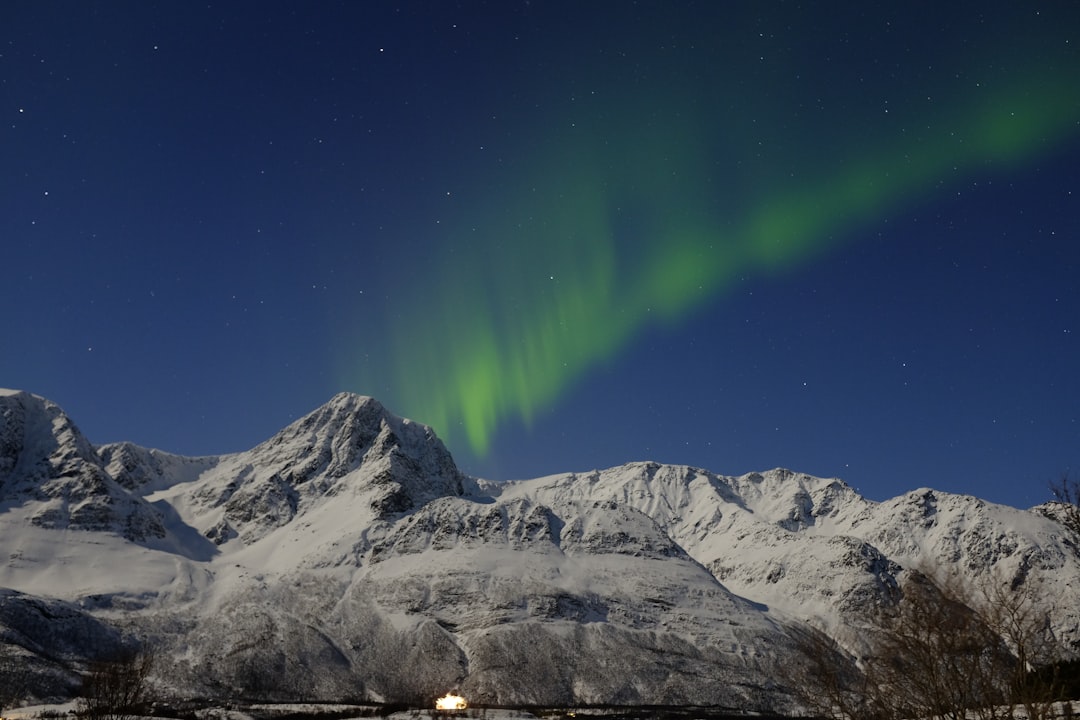

Few natural phenomena capture the imagination quite like the Northern Lights. This ethereal display, scientifically known as Aurora Borealis, has fascinated humans for millennia, inspiring myths, legends, and a sense of wonder that persists to this day. Norway, with its northerly position and relatively mild Arctic climate, offers some of the world's best opportunities to witness this magical light show.
What Causes the Northern Lights?
The science behind the aurora is as fascinating as the display itself. The lights are created when charged particles from the sun (solar wind) collide with gaseous particles in Earth's atmosphere. These collisions produce energy in the form of colorful light. Different gases create different colors - oxygen typically produces green and red auroras, while nitrogen results in blue or purple hues.
The intensity of solar activity varies in an 11-year cycle, with periods of higher activity resulting in more frequent and vibrant auroral displays. However, even during solar minimums, the lights can be observed in optimal conditions.
Best Time to See the Northern Lights in Norway
The aurora is visible during the dark winter months, typically from late September to early April. The best viewing months are usually October to March when the nights are longest. You'll need dark, clear skies away from light pollution, and ideally a period of high solar activity.
Time of day also matters - the lights are most commonly seen between 6 PM and 1 AM, with peak activity often occurring around 10-11 PM. However, they can appear at any point during the dark hours, so patience is key.
Best Locations in Norway for Aurora Hunting

Tromsø: The Aurora Capital
Often called the "Gateway to the Arctic," Tromsø is perhaps the most accessible and reliable destination for Northern Lights seekers. Located at 69°N within the auroral oval (the zone with highest aurora activity), the city combines excellent viewing conditions with developed infrastructure and plenty of guided tours.

Lofoten Islands
This archipelago offers some of the most dramatic backdrops for the Northern Lights. Picture the aurora dancing above jagged mountain peaks and reflected in the calm waters of fjords. The islands are slightly warmer than other Arctic locations due to the Gulf Stream, making winter visits more comfortable.
Alta
The world's first Northern Lights observatory was built here in 1899, and Alta remains an excellent viewing spot. The area experiences less precipitation than coastal areas, resulting in more clear nights and better viewing opportunities.
Svalbard
This remote archipelago halfway between mainland Norway and the North Pole offers a unique aurora experience. Due to its extreme northern position, Svalbard experiences "polar night" - a period from mid-November to late January when the sun never rises. This creates opportunities for daytime aurora viewing, though the freezing temperatures require serious preparation.
Tips for Photographing the Northern Lights
Capturing this magical phenomenon requires some preparation:
- Equipment: Bring a camera with manual settings, a sturdy tripod, and extra batteries (cold weather drains them quickly).
- Settings: Use a wide-angle lens, high ISO (800-3200), wide aperture (f/2.8-f/4), and long exposure (5-25 seconds, depending on aurora activity).
- Composition: Include interesting foreground elements like mountains, trees, or water for reflection.
- Focus: Manually focus to infinity during daylight, then tape your focus ring to prevent accidental adjustments in the dark.
- Protection: Bring hand warmers for batteries and silica gel packets to prevent lens condensation.
Planning Your Northern Lights Trip to Norway
Beyond the aurora itself, there are practical considerations for your Arctic adventure:
What to Pack
Arctic winter temperatures can drop to -20°C (-4°F) or lower. Bring thermal base layers, a good mid-layer (wool or fleece), a windproof and waterproof outer layer, insulated boots, wool socks, thermal gloves, and a balaclava or face mask. Chemical hand and foot warmers can be lifesavers during long aurora watches.
Guided Tours vs. Independent Hunting
While the adventurous might prefer to rent a car and chase the lights independently, guided tours offer significant advantages, especially for first-timers. Local guides:
- Monitor aurora forecasts and cloud cover predictions
- Know secluded viewpoints away from light pollution
- Can drive to different locations if weather conditions change
- Often provide warm clothing, hot drinks, and photography assistance
Other Winter Activities
Since aurora hunting involves waiting for dark, clear nights, plan daytime activities such as:
- Dog sledding through snowy forests
- Whale watching (orcas and humpbacks visit Norwegian waters in winter)
- Exploring the Sami indigenous culture
- Ice fishing on frozen lakes
- Snowmobiling across Arctic landscapes
- Visiting ice hotels and snow sculptures
The Cultural Significance of the Northern Lights
Throughout history, different cultures have interpreted the aurora in fascinating ways:
In Sami tradition (the indigenous people of northern Scandinavia), the lights were believed to be the souls of the departed. It was considered disrespectful to talk about or wave at the aurora, as this might attract the attention of the spirits.
Norse mythology viewed the lights as reflections from the shields of the Valkyries, female warriors who escorted fallen warriors to Valhalla. Alternatively, some believed the aurora was the Bifrost bridge, a burning rainbow that connected Asgard (realm of the gods) with Midgard (Earth).
Finnish folklore called the lights "revontulet," meaning "fox fire," from a myth that Arctic foxes created sparks by swishing their tails across the snow, sending them up into the sky.
Final Thoughts
The Northern Lights represent one of nature's most awe-inspiring displays. There's something profoundly moving about standing beneath the dancing curtains of green and purple as they silently sweep across the Arctic sky. While photographs capture the colors, they can't convey the full emotional impact of witnessing this phenomenon in person.
Norway, with its accessibility, infrastructure, and location directly under the auroral oval, provides perhaps the perfect combination of comfort and wilderness for this bucket-list experience. Whether you're a photographer seeking the perfect shot, a nature lover pursuing a profound experience, or simply someone who appreciates natural beauty, the Norwegian Arctic offers an unforgettable encounter with one of Earth's most magical displays.
Just remember that the aurora is a natural phenomenon that cannot be guaranteed. Embrace the adventure, enjoy the journey, and if the lights appear, consider yourself among the fortunate who have witnessed one of our planet's most remarkable spectacles.

About the Author
Sophia Rodriguez is a geographer with a Ph.D. in Environmental Science who has visited over 60 countries. She specializes in documenting endangered ecosystems and remote natural wonders, with a particular passion for polar regions and celestial phenomena.